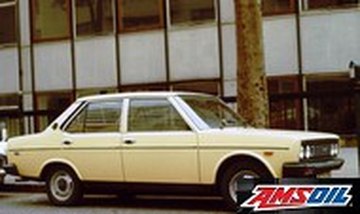
Maintaining Lubrication Standards for the 1981 Fiat BRAVA 2.0L
Proper engine care for a vehicle of this era requires a focus on consistent monitoring and adherence to specific fluid requirements. For owners of a 1981 Fiat BRAVA with the 2.0L engine, maintaining the lubrication system is a fundamental aspect of long-term mechanical health. Because older engines operate under different tolerances and material conditions than modern vehicles, a proactive approach to inspection and oil selection is necessary to ensure continued operation.Monitoring Fluid Integrity and Potential Seepage
A primary component of routine maintenance involves regular visual inspections of the engine bay. For an engine from 1981, it is useful to look for any signs of fluid seepage or leakage around various sealing surfaces. While some level of very light moisture may be present on older components, active leaks should be investigated promptly. When performing these checks, focus on the following areas:- Sealing Surfaces: Inspect gaskets and seals for evidence of weeping or active drips. Any accumulation of oil in specific areas can indicate that a seal is no longer providing an effective barrier.
- Drain Areas: Check the area around the oil drain plug and the underside of the engine to ensure there is no consistent dripping during or after operation.
- External Components: Look for any signs of fluid residue on the exterior of the engine block or near accessory mounting points.
Prioritizing Maintenance Based on Current Condition
As vehicles age, the most effective way to manage maintenance is to prioritize tasks based on the actual, observed condition of the machine rather than relying solely on chronological age. For a 1981 Fiat BRAVA, this means establishing a baseline of what is currently functioning correctly and identifying where improvements are needed. If you do not have access to a complete service history for the vehicle, your first priority should be to establish a maintenance baseline. This involves performing a thorough inspection of all fluids and mechanical components to determine their current state. Once this baseline is set, you can distinguish between necessary preventive maintenance and parts that may still have significant service life remaining. If there are active signs of concern—such as visible leaks or changes in how the engine sounds during operation—these should be addressed before moving on to general cosmetic or non-essential upkeep. Keeping a detailed log of all completed services, including the dates and observations made during inspections, will assist in identifying patterns and making informed decisions about future repairs.Observing Potential Operational Warning Signs
It is important to remain observant of how the engine behaves during daily use. While many mechanical issues develop gradually, some can manifest through specific symptoms that serve as early indicators for service needs. For example, an unusual noise during startup or while idling may indicate a need for closer inspection of various engine components. Similarly, if you notice any changes in exhaust characteristics, such as smoke that differs from the vehicle's normal operation, this should be investigated. It is vital to remember that these symptoms can have multiple causes; they are not definitive diagnoses of a single failed part but rather signals that the vehicle requires professional attention or a more detailed inspection. Additionally, if you notice any sudden changes in how the engine performs immediately following a service interval, it is prudent to re-verify that all components were correctly reassembled and that the correct fluids were utilized.Managing Aging Engine Components
Maintaining an older vehicle involves understanding that materials like rubber, plastic, and various sealants change over time. When inspecting the 1981 Fiat BRAVA, consider the condition of any accessible hoses or belts if they are present. If equipped, these components should be checked for signs of deterioration such as cracking, glazing, or fraying. Furthermore, electrical connections and wiring should be inspected for signs of brittleness or corrosion, which can affect the reliability of various systems. Rather than assuming a component is at the end of its life simply because of the vehicle's age, use your inspections to make decisions based on the actual physical condition of the parts. This approach helps avoid unnecessary replacements while ensuring that aging materials do not lead to unexpected failures.Effective Record Keeping for Long-Term Ownership
For those committed to the long-term care of a 2.0L Fiat BRAVA, documentation is an invaluable tool. A well-maintained service history provides a roadmap of the vehicle's mechanical life. It allows you to track how often certain fluids are being consumed and helps in predicting when future maintenance might be necessary. If you are taking over ownership of a vehicle with an incomplete history, your first goal should be to document every inspection and service from that point forward. This includes noting the specific products used, such as oil brands and filter types, as well as any observations made regarding leaks or component wear. This data becomes essential when troubleshooting new issues, as it allows you to see if a symptom is a new development or a long-standing characteristic of the engine.Practical Guidance for BUYING ENGINE OIL for your 1981 Fiat BRAVA 2.0L
When it is time to replenish your engine's lubrication, the most important step is to ensure that the product you select matches the specific requirements of your engine. Because different engines have unique needs regarding additive packages and base oils, you should never rely on general assumptions based on the vehicle's age or size. To ensure a correct match:- Consult Application Data: Always refer to the vehicle-specific oil viscosity and application information provided on this webpage before making a purchase.
- Verify Product Labels: Before completing your purchase, check the product packaging to confirm that the SAE viscosity and API service classifications align with the information displayed in your application guide.
- Consider Formulation Types: Depending on your specific needs and the current condition of your engine, you may choose between conventional, synthetic blend, or full synthetic formulations. Some high-mileage oil formulations also contain additives intended for use in aging engines, including seal-conditioning additives.